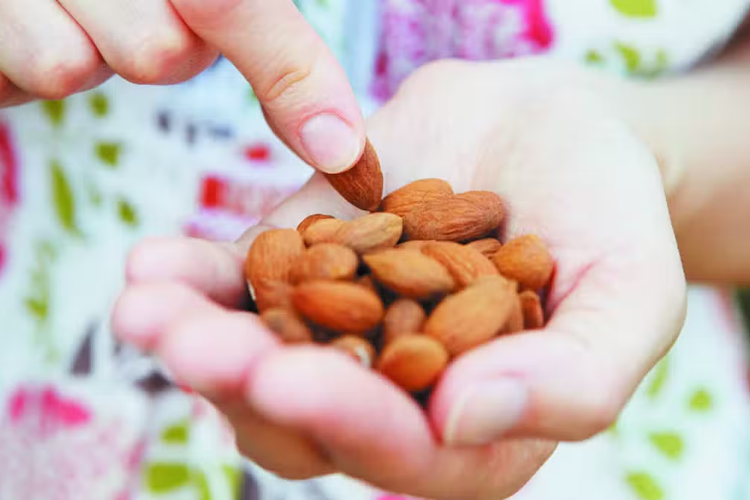
Imported almonds could become more expensive in Pakistan ahead of the winter season after the Federal Board of Revenue (FBR) increased their customs valuation under a new ruling. The revised values may affect import costs and could put additional pressure on retail prices as demand for dry fruits typically rises during colder months.
Under the updated valuation, the customs value of shelled almonds has increased from $3.00 to $3.81 per kilogram, representing a rise of 27 percent. Meanwhile, the customs value of soft-shell almonds has been raised from $2.14 to $2.19 per kilogram.
The change comes at a time when many Pakistani consumers begin purchasing almonds and other dry fruits for household use during winter. However, the final price paid by consumers will depend on several factors, including import duties, exchange rates, transportation costs, wholesale margins, and retailer pricing.
FBR Raises Customs Values for Imported Almonds
The Federal Board of Revenue’s revised valuation changes the benchmark used to assess imported shelled and soft-shell almonds for customs purposes. Customs valuation is an important part of the import process because it helps determine the value on which applicable duties and taxes may be calculated.
For shelled almonds, the increase from $3.00 to $3.81 per kilogram represents a significant adjustment. Importers may face higher customs-assessed values for these products, potentially increasing their overall landed costs depending on the applicable tax and duty structure.
The adjustment for soft-shell almonds is comparatively smaller. Their customs value has risen from $2.14 to $2.19 per kilogram, a difference of five cents per kilogram.
The two changes indicate that the revised valuation will affect different almond categories to varying degrees. The precise impact on importers will depend on the products they bring into Pakistan and the charges applicable to each shipment.
Why Almond Prices Could Rise Before Winter
Winter is an important selling period for dry fruits in Pakistan. Almonds are widely purchased by households during the colder months and are also used in desserts, traditional foods, and everyday snacks.
As seasonal demand increases, changes in import costs can become particularly relevant to traders and consumers. If importers face higher costs following the revised customs valuation, some of that increase could eventually be reflected in wholesale and retail prices.
However, a higher customs value does not automatically translate into an identical percentage increase at retail outlets. Market prices are influenced by multiple factors, including existing inventory, competition among sellers, currency movements, transportation expenses, and the availability of imported supplies.
The impact may also differ across cities and markets. Retailers holding previously imported stock may respond differently from businesses purchasing new shipments under the revised valuation.
What the Valuation Change Means for Consumers
For consumers, the main concern is whether the revised customs values will lead to higher prices at local dry-fruit shops and supermarkets. Almonds are already an important part of winter shopping for many households, making price changes relevant as families plan seasonal purchases.
The 27 percent increase in the customs value of shelled almonds is substantially larger than the adjustment for soft-shell varieties. Nevertheless, the percentage changes in customs valuation should not be confused with the final percentage increase in retail prices.
Import duties and taxes, currency exchange rates, distribution expenses, and profit margins all contribute to the price consumers pay. The actual effect of the FBR ruling will become clearer as new shipments enter the market and traders adjust their prices.
Consumers comparing prices may also notice differences between almond varieties, quality grades, origins, and packaging sizes. These factors can affect retail prices independently of the customs valuation change.
Imported Dry Fruit Market Faces Seasonal Attention
The timing of the revised valuation is significant because demand for almonds and other dry fruits often receives greater attention ahead of winter. Importers, wholesalers, and retailers will need to account for the new customs values when calculating costs for incoming shipments.
For the wider market, the extent of any price increase will depend on how importers and retailers respond to the revised assessment. Competition and existing stock levels could influence how quickly the changes reach consumers.
The FBR’s new ruling raises the customs value of shelled almonds to $3.81 per kilogram and soft-shell almonds to $2.19 per kilogram. Whether these adjustments lead to a noticeable increase in retail prices across Pakistan will depend on the combined effect of import costs, supply conditions, and seasonal demand.
Topics #Almond Prices #city magazine #Customs Valuation #Dry Fruit Market #FBR #Food Prices #Import News #Imported Dry Fruits #News #Pakistan #Pakistan Economy #Pakistan news #Trending Pakistan #Winter Shopping