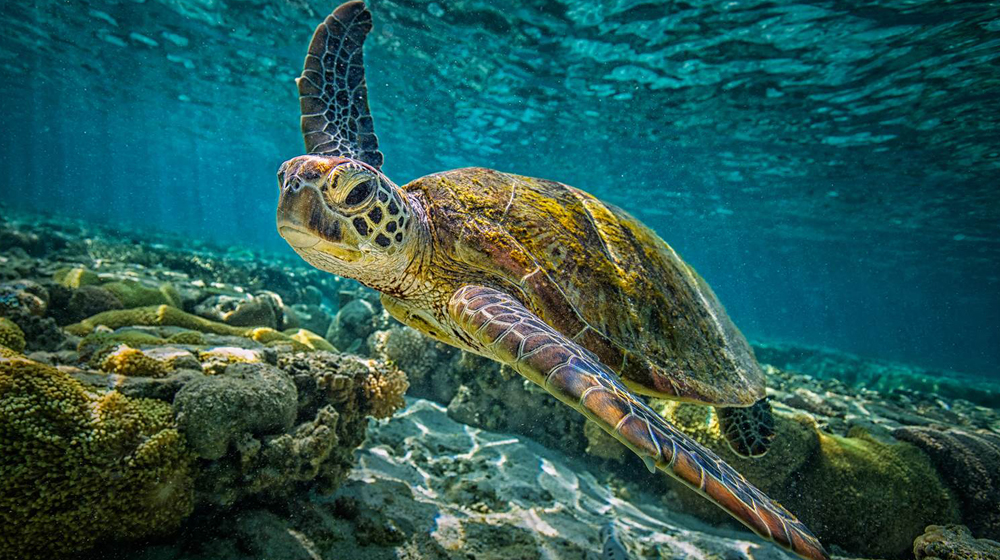
The World Wide Fund for Nature Pakistan has raised serious concerns over a recent spike in marine turtle deaths along the coast of Balochistan, warning that the trend signals growing threats to fragile marine ecosystems in the region.
According to WWF-P officials, a noticeable increase in dead turtles has been recorded over the past 20 days, with at least three different species found washed ashore in significant numbers. These include the loggerhead turtle, green turtle, and olive ridley turtle, which were discovered in areas such as Gwadar West Bay on April 13.
The situation has sparked alarm among environmental experts, who view the sudden rise in mortality as a potential indicator of deeper ecological stress in coastal waters. Marine turtles are considered key species in maintaining ocean health, and their decline can disrupt broader marine biodiversity.
Preliminary assessments suggest that fishing-related activities are the primary cause of the deaths. Authorities and conservationists believe that entanglement in fishing nets and gear is the most likely factor contributing to the fatalities. Such accidental capture, often referred to as bycatch, remains one of the leading threats to marine life globally.
Gwadar, a major hub along Pakistan’s southwestern coastline, has frequently been identified as an ecologically sensitive zone due to its rich marine biodiversity. The recent findings have renewed calls for stricter monitoring of fishing practices and improved enforcement of conservation regulations in the region.
Environmental groups have long urged authorities to adopt turtle-friendly fishing techniques, including the use of modified nets and exclusion devices that can help reduce accidental capture. Awareness campaigns targeting local fishing communities are also considered essential to mitigating the impact on endangered marine species.
The WWF has emphasized the need for immediate action to prevent further losses, warning that continued deaths at this scale could negatively affect long-term turtle populations in Pakistani waters. Conservationists stress that marine turtles already face multiple threats, including habitat degradation, pollution, and climate change.
The incident has once again highlighted the delicate balance between economic activity and environmental protection along Pakistan’s coastline. While fishing remains a vital source of livelihood for coastal communities, experts argue that sustainable practices are necessary to ensure the survival of marine ecosystems.
Authorities are expected to review current monitoring mechanisms and explore preventive measures in collaboration with environmental organizations. Strengthening enforcement and improving data collection on marine life are seen as key steps toward addressing the issue effectively.
As concerns grow, conservation groups continue to urge immediate intervention to protect endangered turtle species and preserve the ecological health of Pakistan’s coastal waters.