An 18-year-old student from the United States has developed an innovative home water filtration system capable of removing up to 96 percent of microplastics from drinking water. The breakthrough offers a promising and environmentally friendly alternative to conventional household filters while addressing growing concerns about plastic contamination in everyday water supplies.
Mia Heller, a student from Virginia, created the filtration system after discovering that drinking water often contains microscopic plastic particles. Increasing scientific research has raised concerns that prolonged exposure to microplastics may pose potential health risks to both humans and wildlife, prompting a global search for more effective water purification solutions.
Motivated by these findings, Heller focused on designing a filtration method that not only removes a significant amount of microplastics but also reduces waste generated by traditional water filters. Many conventional filtration systems require disposable cartridges that contribute to environmental pollution, making sustainability an important consideration in her project.
The newly developed filtration system reportedly removes nearly 96 percent of microplastic particles from household water. By combining effective filtration with a low-waste design, the invention demonstrates how innovative thinking can help address both public health concerns and environmental challenges.
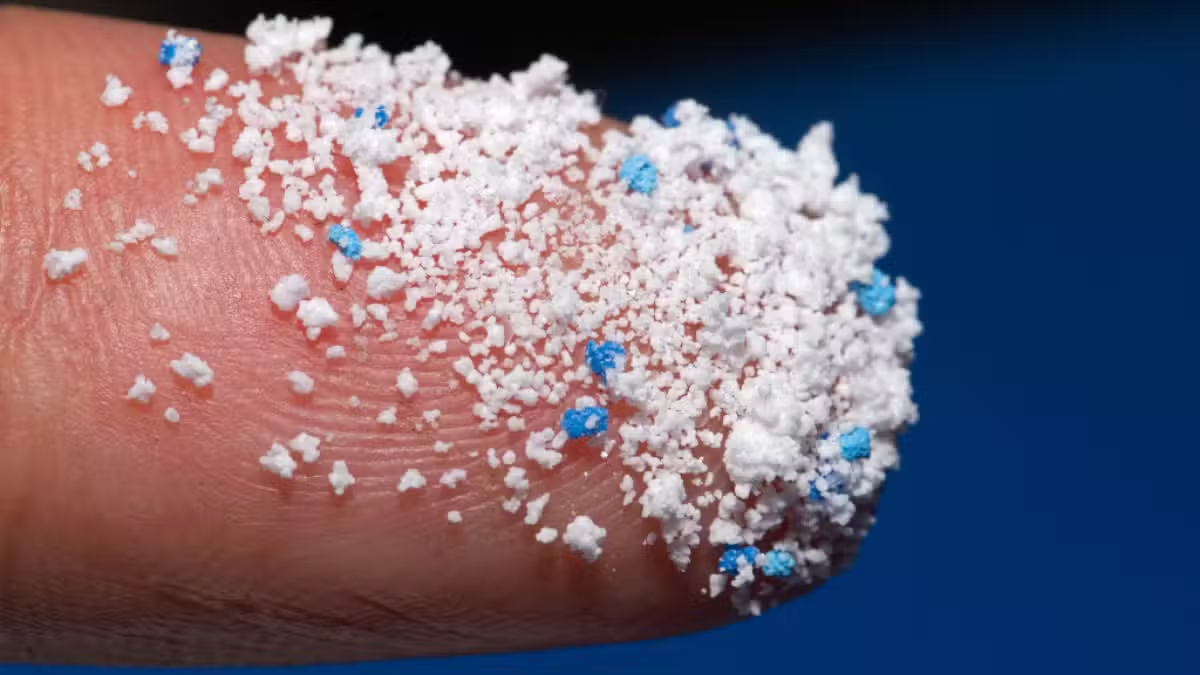
Microplastics are tiny plastic fragments that originate from the breakdown of larger plastic products, synthetic textiles, packaging materials, and industrial waste. These particles have been detected in rivers, oceans, soil, food, bottled water, and even tap water, making them an increasing focus of scientific research worldwide.
Although researchers continue to study the long-term effects of microplastic exposure, many experts believe reducing human contact with these particles is a worthwhile goal. Innovations that improve water quality while minimizing environmental impact are becoming increasingly valuable as awareness of plastic pollution continues to grow.
Heller’s invention also highlights the important role that young innovators can play in solving complex global issues. Scientific discoveries and technological breakthroughs are increasingly emerging from students and young researchers who are developing practical solutions to environmental and public health challenges.
The project has attracted attention for demonstrating that effective water purification does not necessarily require expensive or highly complex technology. Instead, thoughtful engineering and sustainable design principles can produce practical solutions with the potential for widespread household use.
As concerns over plastic pollution continue to rise around the world, innovations like this could contribute to cleaner drinking water and encourage further research into sustainable filtration technologies. While additional testing and large-scale implementation may be needed, the invention represents a promising step toward reducing microplastic exposure in everyday life.