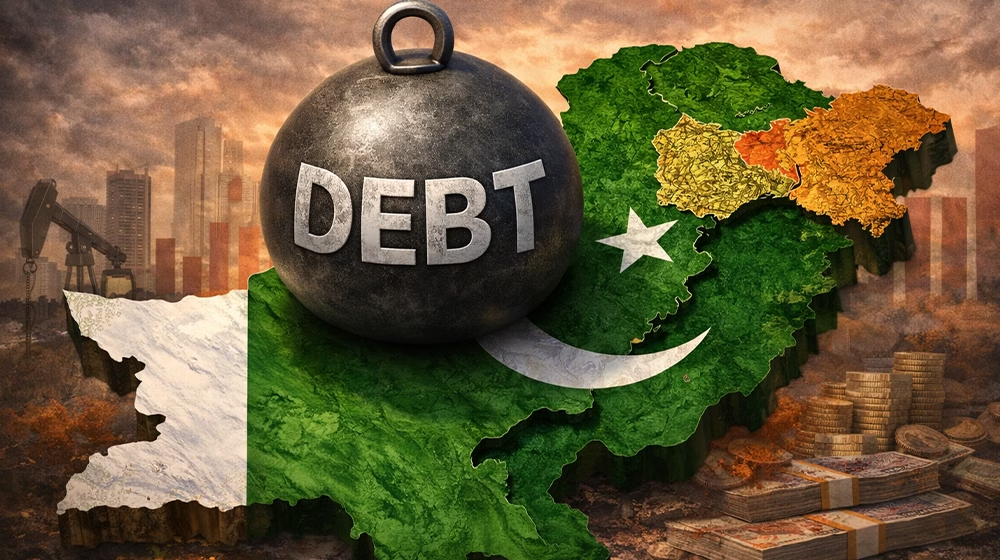
Pakistan’s total public debt increased by 7.7 percent year-on-year, reaching Rs. 86.72 trillion by the end of June 2026, according to the Annual Debt Review Report for fiscal year 2025–26 released by the Ministry of Finance.
The latest figures highlight a continued increase in the country’s overall debt stock despite an improvement in the public debt-to-GDP ratio during the same period.
According to the report, Pakistan’s public debt-to-GDP ratio declined to 68.3 percent at the end of June 2026, compared with 70.6 percent recorded a year earlier.
The change means that while the absolute value of public debt increased, debt measured against the size of the economy showed an improvement. The two indicators therefore present different aspects of Pakistan’s debt position.
The Rs. 86.72 trillion public debt figure represents the total stock accumulated by the government by the close of the 2025–26 fiscal year. The 7.7 percent annual increase indicates that the debt burden in rupee terms continued to expand during the period.
At the same time, the reduction in the debt-to-GDP ratio suggests that economic output and related changes in the size of the economy outpaced the increase in the debt stock when measured as a percentage of GDP.
The Ministry of Finance publishes its annual debt review to provide information about the country’s public debt position, borrowing trends and debt-related indicators. The report is closely watched because government borrowing has a direct connection with fiscal management and future financing requirements.
Pakistan has continued to manage significant financing needs, including debt servicing, budget requirements and other government expenditures. Changes in interest rates, exchange rates, economic growth and government borrowing can all affect the country’s overall debt position.
The latest figures also show why the public debt stock and debt-to-GDP ratio need to be considered separately. A rise in total debt does not automatically produce the same movement in the debt-to-GDP ratio because the latter depends on both debt and the size of the economy.
By June 2026, the public debt-to-GDP ratio had improved by 2.3 percentage points from the previous year, falling from 70.6 percent to 68.3 percent. However, the total debt stock still increased by 7.7 percent during the same period.
The figures will remain relevant for Pakistan’s fiscal planning as policymakers assess borrowing requirements, debt servicing costs and efforts to maintain sustainable public finances.
The Annual Debt Review Report for FY2025–26 provides a snapshot of Pakistan’s debt position at the end of June. It shows a mixed movement in key indicators: the total public debt reached Rs. 86.72 trillion, while the debt-to-GDP ratio declined compared with the previous year.