Pakistan is considering a major financing and tax support package for electric cars and other new energy vehicles as part of the draft Automotive and Auto Parts Manufacturing Policy 2026-31.
Under the proposed policy, buyers of new energy vehicles (NEVs) could become eligible for financing of up to Rs. 10 million, or Rs. 1 crore, with a repayment period of up to five years.
The proposed measure is aimed at encouraging the adoption of electric and other cleaner vehicle technologies while supporting the development of Pakistan’s automotive industry.
The draft policy includes several incentives designed to make new energy vehicles more accessible to consumers. Financing support is being considered alongside broader tax measures for the sector.
If implemented, the proposed five-year financing facility could make higher-value electric vehicles more affordable for buyers by allowing them to spread payments over a longer period.
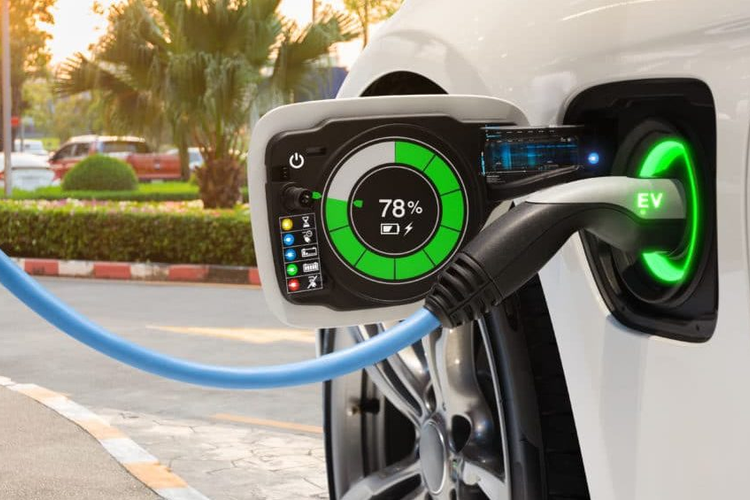
The policy also places emphasis on developing the infrastructure needed to support electric mobility in Pakistan. This includes expanding charging facilities in different parts of the country.
Charging infrastructure remains an important factor in the wider adoption of electric vehicles. Increasing the availability of charging stations could help address concerns among consumers about charging access during daily travel and longer journeys.
The draft framework also proposes measures related to battery swapping and battery-as-a-service facilities. Such systems could provide additional options for electric vehicle users who need faster access to charged batteries.
Battery-swapping facilities can allow compatible electric vehicles to replace depleted batteries with charged ones instead of waiting for conventional charging. Battery-as-a-service models can similarly separate battery ownership or usage from the vehicle itself.
The proposed initiatives are part of Pakistan’s broader effort to encourage new energy vehicles and develop a more modern automotive ecosystem.
The automotive policy is also expected to focus on strengthening local manufacturing and supporting the development of the auto parts industry. Increased demand for electric vehicles could create opportunities for manufacturers, suppliers and related businesses.
However, the proposed financing and incentives remain linked to the draft policy. Final terms, eligibility requirements, financing conditions and implementation mechanisms would depend on the policy’s approval and subsequent decisions by the relevant authorities.
For consumers considering an electric vehicle, the proposed Rs. 1 crore financing limit could become an important incentive if the measure is eventually implemented.
The expansion of charging networks and battery-related services would also be essential for supporting a larger electric vehicle market in Pakistan.
Further details about the proposed incentives are expected as the Automotive and Auto Parts Manufacturing Policy 2026-31 moves through the approval process.
Topics #Auto Policy 2026-31 #Battery Swapping #Charging Stations #city magazine #Electric Car Loan #Electric Cars #Electric Vehicles #EV Financing #EV Pakistan #NEVs #News #Pakistan #Pakistan Auto Industry #Pakistan Automotive Policy #Trending Pakistan