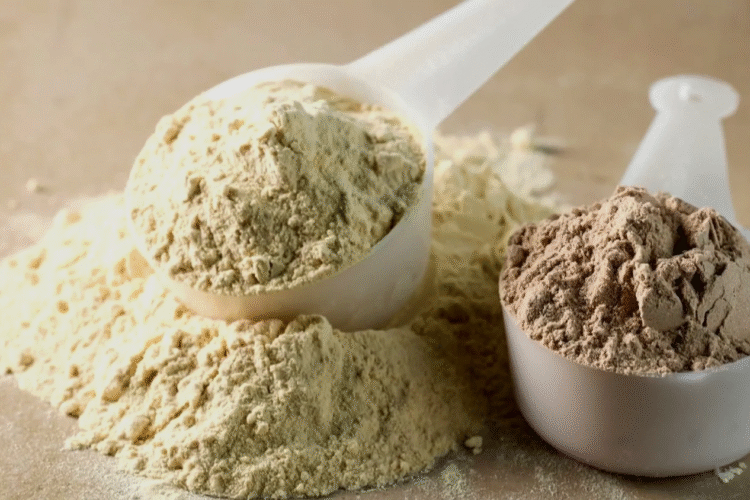
Consumer Reports finds high levels of lead in popular protein products — plant-based powders most contaminated
Fitness enthusiasts, beware — that post-workout protein shake might not be as healthy as it seems. A new Consumer Reports investigation has revealed alarming levels of lead and other heavy metals in several popular protein powders, drinks, and shakes.
According to the study, over two-thirds of the 23 tested protein products contained more than 0.5 micrograms of lead per serving, exceeding the safe daily limit recommended by health experts.
Plant-based powders top list for lead contamination
Surprisingly, plant-based protein powders — often marketed as the cleaner, “greener” alternative to whey — were found to have the highest lead concentrations.
The report showed that some plant-based products contained up to 7.7 micrograms of lead per serving, while other non-plant-based powders averaged 6.3 micrograms.
Experts say the contamination likely stems from the plants used to produce these powders, as crops can absorb lead from soil, water, and fertilizers.
While many supplement companies claim to conduct heavy metal testing, Consumer Reports noted that the actual lead content often tells a different story, raising questions about quality control and transparency in the supplement industry.
Health risks of long-term exposure
Occasional consumption of protein powder with trace lead levels may not pose immediate harm. However, experts warn that long-term use — especially in children, pregnant women, and athletes consuming multiple servings daily — could have serious health consequences.
“Chronic exposure to lead, even in small amounts, can impair brain function, damage the kidneys and heart, and harm reproductive health,” the report cautioned.
Over time, excessive lead intake can also weaken bones, slow cognitive development, and cause irreversible organ damage.
The study also found that chocolate-flavored protein powders tended to have higher contamination levels due to naturally lead-rich cocoa — adding another hidden source of exposure.
Experts urge natural sources over supplements
Health professionals recommend getting daily protein from whole foods rather than processed powders.
Foods like eggs, fish, chicken, milk, lentils, and beans provide high-quality protein without the contamination risk.
“For most people, 0.8 to 2 grams of protein per kilogram of body weight is sufficient and can be easily met through balanced meals,” experts said.
They also warned that children, elderly individuals, and pregnant women should avoid protein powders altogether, as their bodies are more vulnerable to toxic heavy metals.
How to choose safer protein products

If you must use supplements, experts suggest:
- Checking for third-party testing certifications (such as NSF or Informed Choice).
- Avoiding chocolate or cocoa-flavored options when possible.
- Limiting total daily servings of protein powder.
- Opting for reputable brands that publish lab test results.
The bigger picture: lead in everyday life
Lead exposure isn’t limited to supplements. The heavy metal can also be found in paint, plumbing, batteries, toys, and even soil. It can also occur naturally in herbs and plant ingredients used in dietary products.
Even small doses of lead — when accumulated over time — can silently harm the nervous system, respiratory tract, and skin, emphasizing why experts call it a “slow poison.”
Topics #city magazine #Consumer Reports #fitness #health #Lead Poisoning #News #Nutrition #Plant-Based #Protein Powder #Trending Pakistan