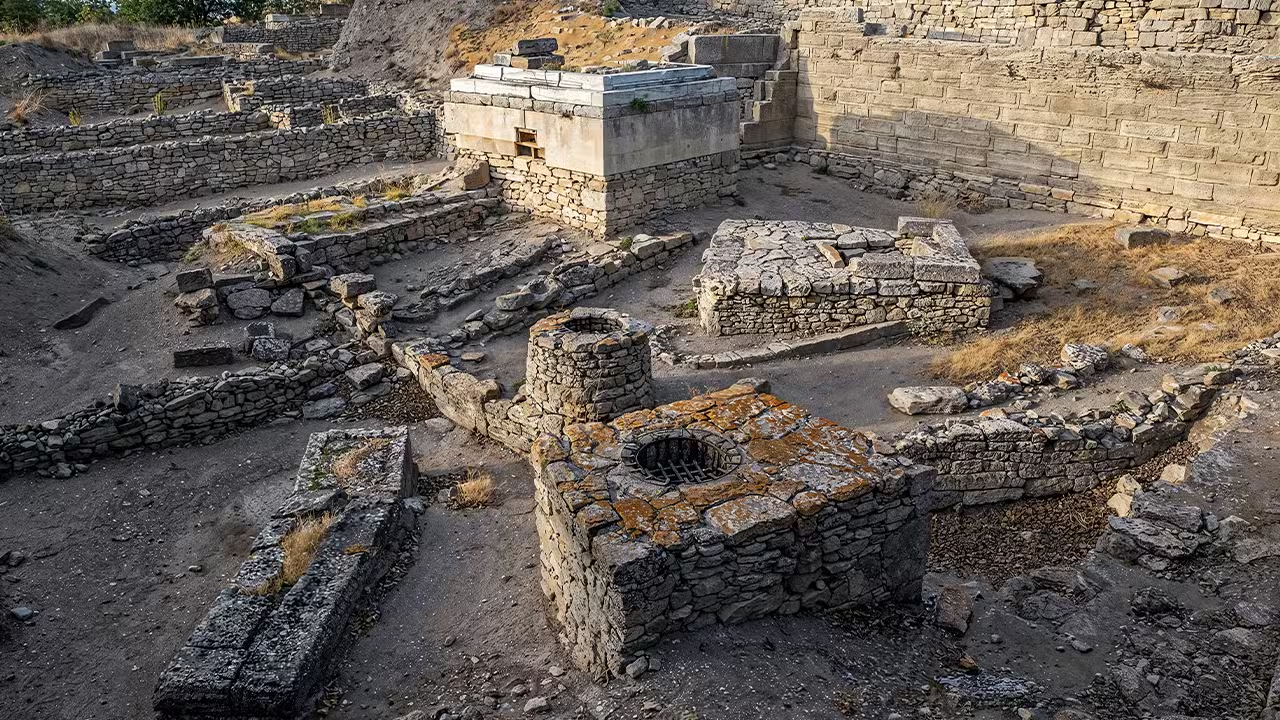
Troy remains one of the world’s most fascinating ancient destinations, bringing together mythology, archaeology and more than five millennia of human history. Located in Türkiye’s Çanakkale province, the legendary city continues to attract travellers fascinated by the stories of Homer and the civilizations that once occupied the site.
Interest in Troy is also receiving renewed attention as Homer’s legendary world returns to the big screen with a new adaptation of The Odyssey. For visitors, this provides an opportunity to go beyond the stories of ancient heroes and explore the real archaeological landscape associated with one of history’s most famous cities.
Situated along Türkiye’s North Aegean coast, Troy is closely connected with legendary figures including Achilles, Hector, King Priam and Odysseus. Although these characters belong to the world of epic poetry and mythology, the ancient settlement itself is a genuine archaeological site with a history stretching back more than 5,000 years.
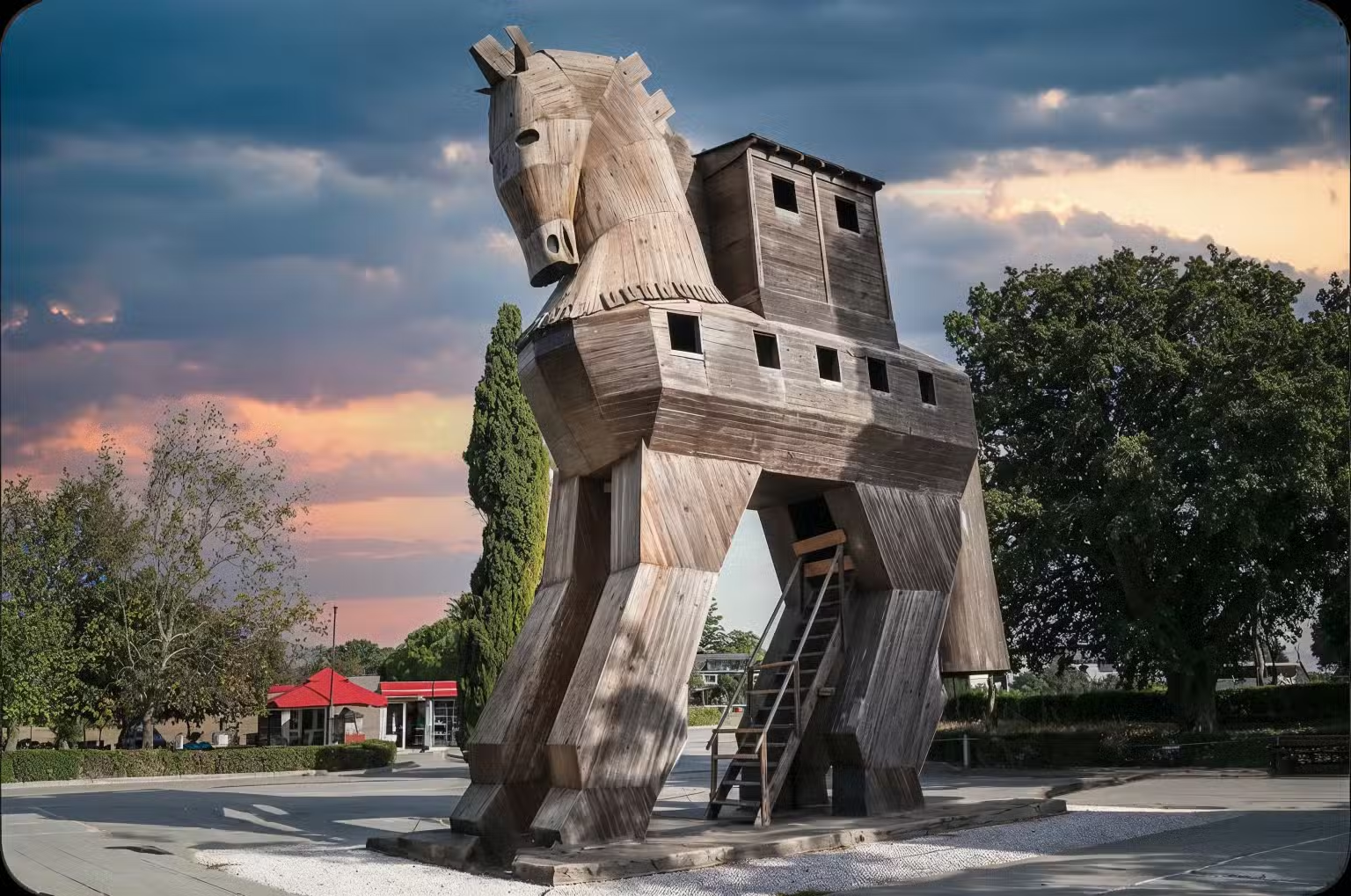
One of the most remarkable aspects of Troy is that archaeologists are still uncovering evidence that adds to the understanding of the ancient settlement. Excavations during the 2026 season have revealed large colonnaded avenues and shopfronts in the Lower City, providing further information about commercial and daily life during the Roman period.
Researchers are also examining evidence of destruction near the Southern Gate while continuing investigations into Bronze Age palace structures located within the Citadel. These discoveries demonstrate that Troy is not simply a location associated with an ancient war but a complex settlement that changed significantly over thousands of years.
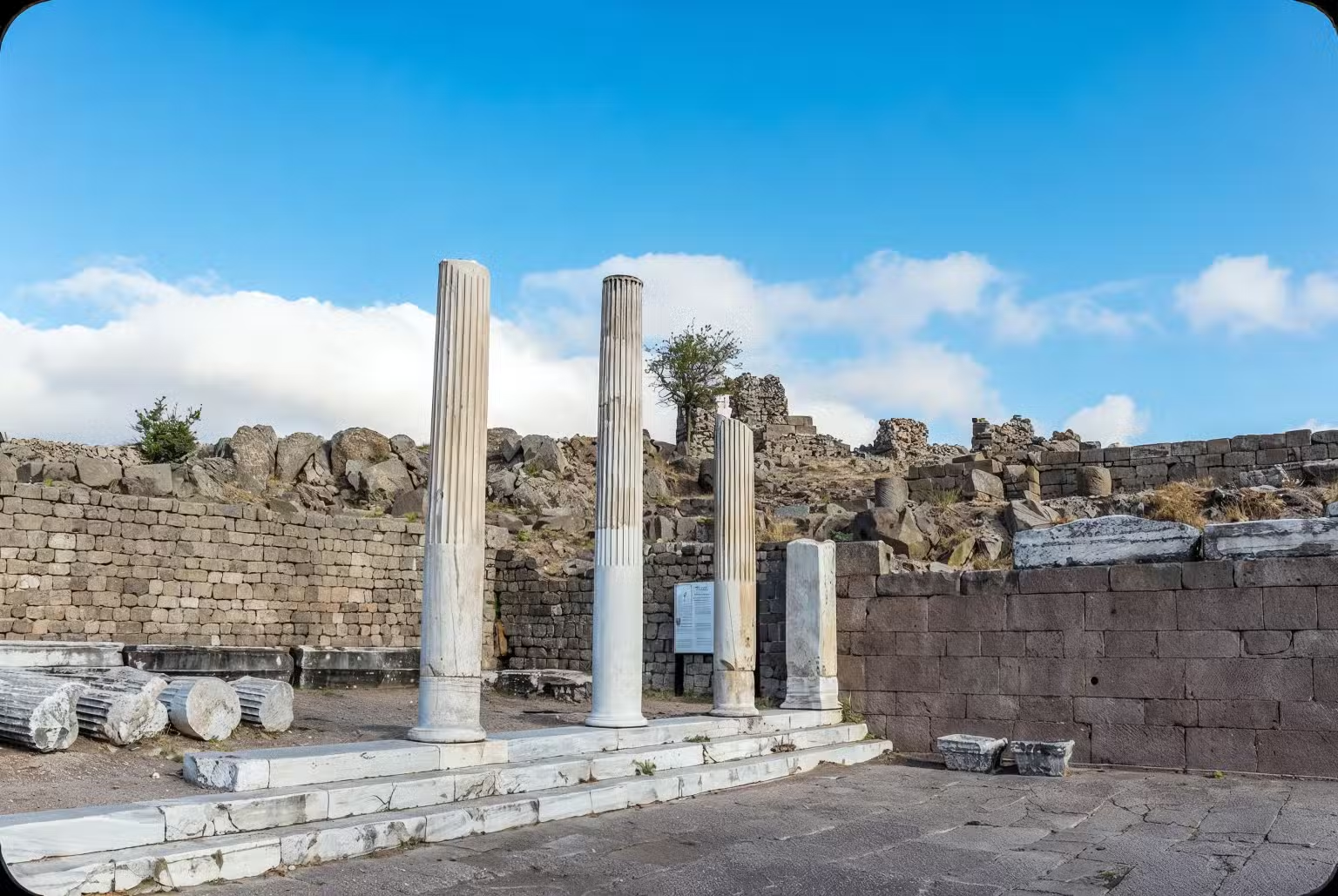
Visitors exploring the site today can see evidence of multiple periods of occupation. Troy contains ten archaeological layers, representing successive settlements from the Early Bronze Age through the Eastern Roman period.
Ancient walls, streets and building remains reveal how different communities developed the city over time. Its location near the Dardanelles placed Troy at an important crossroads between Europe and Asia, helping establish its significance for trade and cultural exchange.
Troy’s connection with Homer remains central to its international reputation. The city described in The Iliad became the setting for a story filled with conflict, loyalty, love, heroism and tragedy.
While archaeology cannot simply confirm every detail contained in Homer’s epics, continuing research provides valuable evidence about the people, buildings and cultures that existed in the region during the relevant periods.
Evidence from outside the archaeological remains has also expanded the understanding of Troy’s Anatolian heritage. Hittite texts and the discovery of a Luwian seal have contributed additional perspectives on the ancient city and its connections with the wider region.
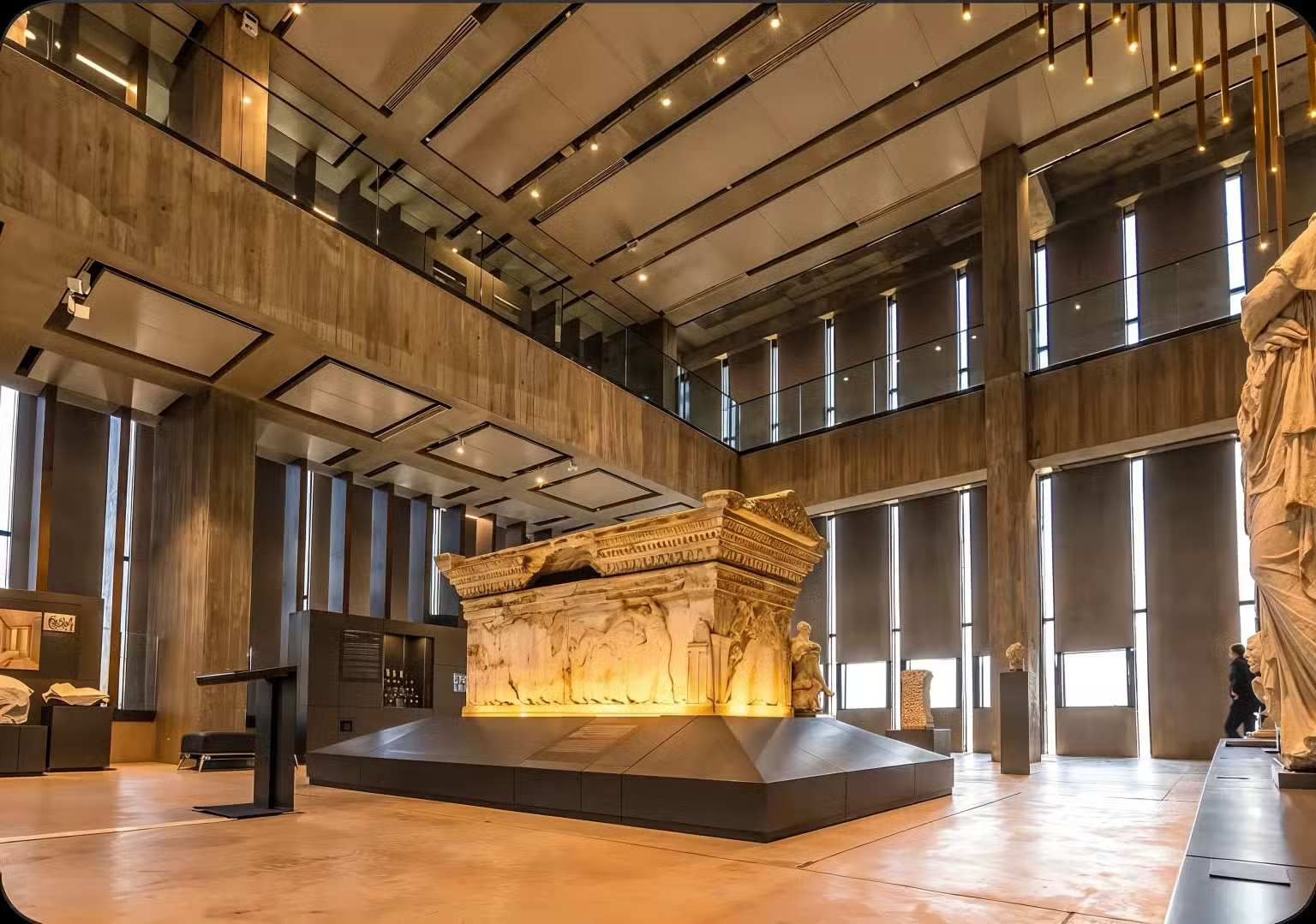
For travellers wanting to understand Troy beyond its ruins, the nearby Troy Museum provides an important addition to the experience. The museum displays archaeological discoveries and explains the history of the site through exhibitions that combine ancient artefacts with modern archaeological research.
The museum helps visitors distinguish between the legendary stories that made Troy famous and the archaeological evidence that researchers continue to study. Together, the museum and archaeological site provide a broader picture of the civilization and communities that developed around Troy.
A visit to Troy can therefore offer a different experience from simply reading about the Trojan War or watching an adaptation of Homer’s works. Travellers can walk among ancient walls, explore historic streets and see the physical remains of settlements that existed thousands of years ago.
The enduring appeal of Troy comes from this unusual combination of mythology and documented history. Few destinations have inspired stories for so long while simultaneously continuing to produce new archaeological discoveries.
As renewed interest in Homer’s world brings Troy back into the spotlight, the ancient city offers visitors an opportunity to connect popular mythology with a real historical landscape. And with archaeological work continuing, the story of Troy remains far from finished.