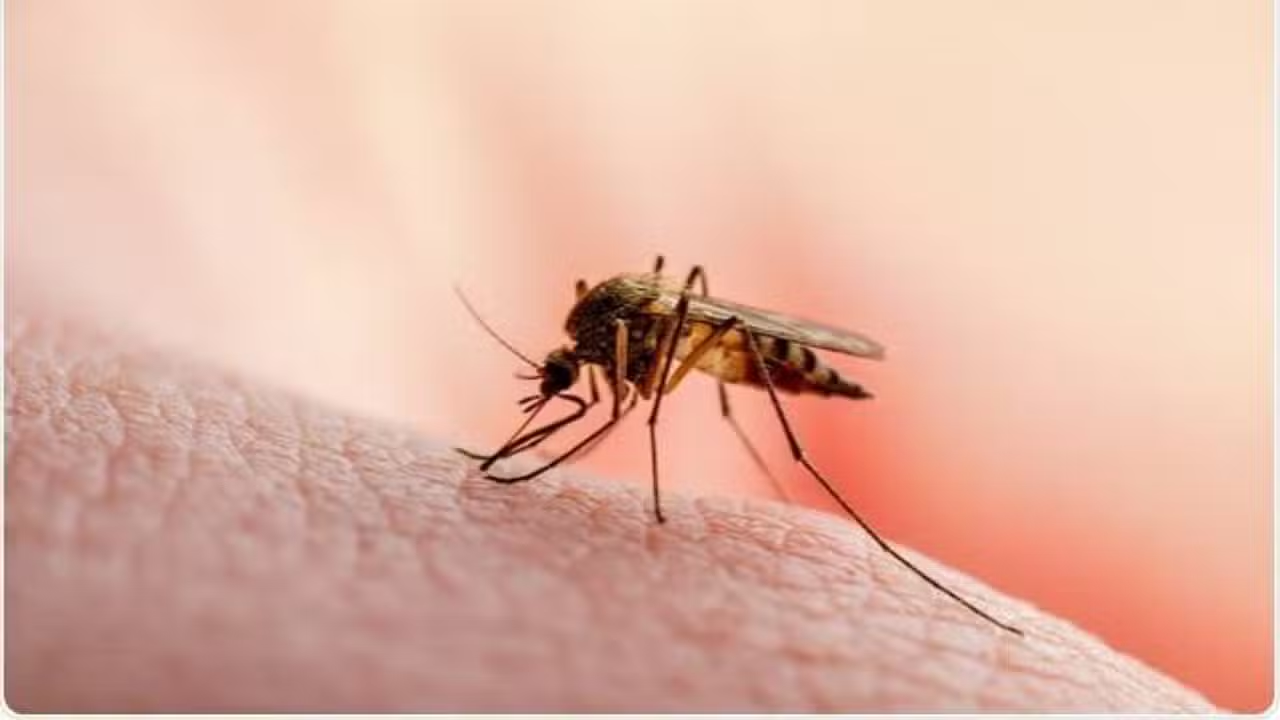
Sindh has reported more than 117,000 malaria cases this year, according to data from the provincial Health Department, with Hyderabad Division recording the highest number of infections during the reported period.
Health Department figures showed that 117,016 malaria cases were reported across Sindh between January 1 and September 29. During the same period, more than 1.9 million people were screened for the mosquito-borne disease across the province.
The figures highlight the continued presence of malaria as a public health concern in Sindh, where large numbers of people are screened each year to identify infections and support early treatment.
Hyderabad Division recorded the highest number of malaria cases among the divisions covered by the Health Department’s data. The concentration of cases in the division has placed particular attention on malaria prevention and disease surveillance in the area.
The province-wide screening effort has also played an important role in identifying suspected and confirmed cases. More than 1.9 million people underwent malaria screening during the first nine months of the year, according to the reported figures.
Malaria is transmitted through the bites of infected mosquitoes and can cause symptoms such as fever, chills, sweating and weakness. Early diagnosis and treatment are important because untreated malaria can become serious.
The latest figures cover the period from January 1 through September 29, meaning they represent the majority of the year. The number of reported cases could change as health authorities continue surveillance and reporting in the remaining months.
Public health measures remain important in areas where malaria transmission is reported. Reducing exposure to mosquitoes, improving environmental conditions and ensuring people with symptoms seek medical attention can help support efforts to control the disease.
The screening figures also demonstrate the scale of health surveillance being carried out across Sindh. Testing large numbers of people allows health authorities to identify infections and monitor changes in the spread of malaria across different parts of the province.
The high number of cases reported in Hyderabad Division also makes local disease monitoring particularly relevant. Health authorities can use surveillance data to identify areas requiring greater attention and strengthen prevention and treatment services where needed.
Residents can reduce the risk of mosquito bites by using protective measures such as mosquito nets, screens and appropriate repellents, particularly during periods when mosquitoes are active.
The Sindh Health Department’s latest figures provide an overview of the malaria situation through September 29. With 117,016 reported cases and more than 1.9 million people screened, malaria continues to require sustained monitoring and public health attention across the province.