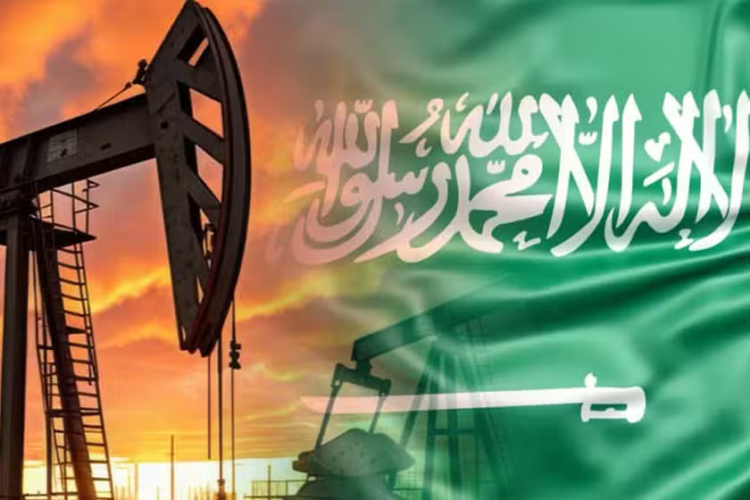
Saudi Arabia has issued a warning that global oil prices could surge to as high as $180 per barrel if the ongoing conflict in the Middle East continues to disrupt supply chains, according to a report by the Wall Street Journal.
Emerging assessments suggest that oil prices could climb steadily in the coming weeks, potentially exceeding $150 per barrel in early April. If disruptions persist, particularly targeting key energy infrastructure and shipping routes, prices could spike near $180 per barrel, creating significant economic ripple effects globally.
The warning comes amid heightened tensions linked to the Iran conflict, which has already caused attacks on critical oil facilities and major transit routes. Such disruptions have effectively removed large volumes of oil from the global market, fueling a sharp increase in energy costs.
Analysts note that sustained supply constraints could exacerbate inflation, raise fuel prices worldwide, and impact industries heavily reliant on petroleum. The potential spike underscores the vulnerability of global energy markets to geopolitical instability in the region.
Saudi Arabia’s cautionary note highlights the importance of monitoring both production levels and geopolitical developments, as markets remain highly sensitive to any escalation. Countries and corporations dependent on oil imports may need to adjust strategies to mitigate the economic impact.
While the worst-case scenario envisions prices approaching $180 per barrel, the situation remains fluid, and market movements will depend on how quickly supply disruptions are resolved and diplomatic solutions are pursued.
Topics #city magazine #crude oil #economic impact #global energy market #Iran #Middle East conflict #News #oil prices #Pakistan #petroleum #Saudi Arabia #Trending Pakistan