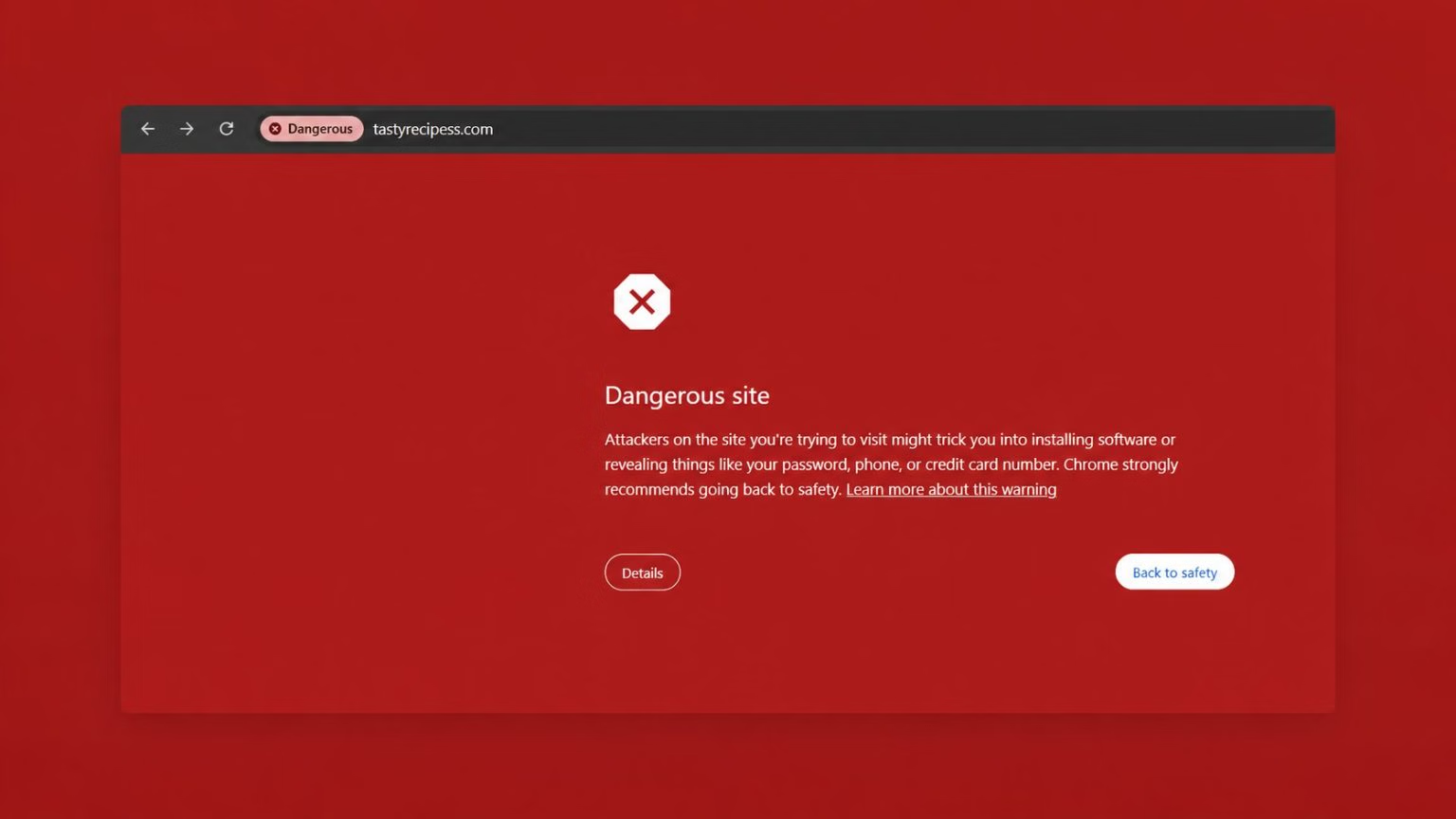
The Pakistan Telecommunication Authority (PTA) has identified and processed hundreds of malicious online sources as part of its efforts to protect internet users from cyber threats, online fraud and digital scams. The latest figures highlight the growing risks faced by Pakistani citizens while using websites, mobile applications and social media platforms.
According to the PTA’s Cyber Security Annual Report 2025-26, the authority identified and processed 586 malicious online sources between July 2025 and June 2026. These included suspicious websites, harmful mobile applications and fraudulent social media accounts and pages that could potentially expose users to financial and personal data theft.
The report provides a breakdown of the identified threats, including 152 dangerous website links, 48 malicious mobile applications and 386 suspicious social media accounts and pages. Social media-related threats accounted for the largest share of the reported cases.
The figures underline how cybercriminals are increasingly using different digital platforms to target unsuspecting users. Fake websites and fraudulent social media profiles can be designed to imitate legitimate businesses, government organisations, financial institutions and popular online services.
Such platforms may encourage users to share sensitive information, including passwords, banking details, identification documents and verification codes. In some cases, victims are also persuaded to transfer money through fake investment opportunities, fraudulent advertisements or misleading online offers.
Mobile applications also present security challenges, particularly when users download software from unofficial sources or grant unnecessary permissions. Certain malicious apps may attempt to access personal information, monitor device activity or expose users to unauthorised data collection.
The PTA’s identification of 48 harmful mobile applications highlights the importance of checking application developers, user reviews and download sources before installing software. Users should also regularly review app permissions and remove applications they no longer trust or need.
Social media platforms remain another major area of concern. Fraudulent accounts and pages can impersonate celebrities, public figures, brands, businesses and government departments to gain credibility. These accounts may circulate misleading information, promote fake giveaways or direct users towards suspicious websites.
With 386 suspicious social media accounts and pages identified in the reporting period, the figures indicate that online impersonation and deceptive digital activity remain important cybersecurity concerns in Pakistan.
The PTA’s reported actions form part of broader efforts to identify potentially harmful online content and address digital security threats. However, identifying and processing malicious sources is only one part of improving cybersecurity. Public awareness and responsible internet usage are equally important in reducing the risk of online fraud.
Internet users are advised to avoid clicking on unfamiliar links, particularly those received through unsolicited messages, emails or social media advertisements. They should also avoid sharing one-time passwords, banking credentials and personal identification information with unknown individuals or websites.
Using strong and unique passwords, enabling two-factor authentication and keeping mobile devices updated can provide additional protection against common cyber threats. Users should also verify the authenticity of social media accounts before making payments or responding to requests for sensitive information.
The PTA’s Cyber Security Annual Report 2025-26 highlights the importance of stronger digital security practices as Pakistan’s internet usage continues to expand. The identification of 586 malicious online sources demonstrates the scale of suspicious digital activity addressed by the authority during the July 2025 to June 2026 period.
For ordinary internet users, the findings serve as a reminder that online safety requires constant attention. Recognising suspicious links, avoiding unverified applications and reporting fraudulent accounts can help reduce exposure to cybercrime and protect personal information.