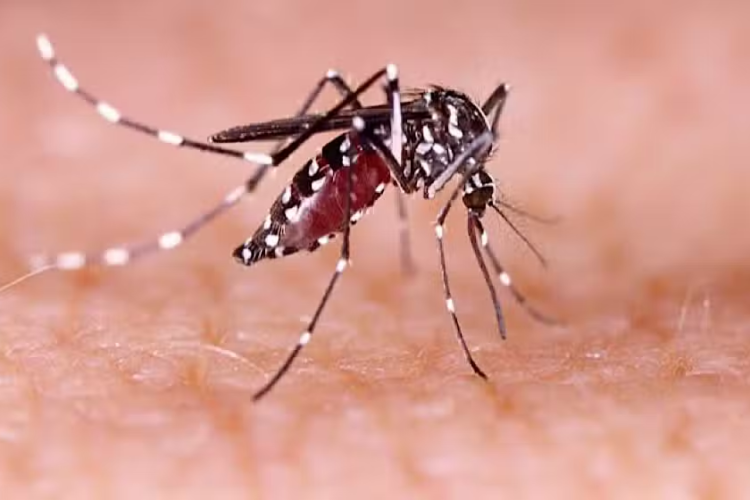
The National Institute of Health Pakistan (NIH) has issued an early dengue alert across Pakistan, warning of potential virus outbreaks ahead of the upcoming monsoon season. The advisory emphasizes preventive measures, early detection, and public awareness to mitigate the risk of infections.
In its statement, the NIH provided comprehensive guidelines on identifying dengue symptoms, available treatment options, and steps for prevention. Federal and provincial health authorities have been instructed to enhance surveillance, implement mosquito control measures, and prepare healthcare facilities for potential outbreaks.
Data from the NIH indicates that over the past three years, more than 78,000 dengue cases have been reported nationwide, with infections typically peaking during the monsoon months. The early warning aims to reduce the health burden by enabling timely interventions and public preparedness.
Officials stressed the importance of community participation, urging residents to eliminate stagnant water around homes, use mosquito repellents, and seek immediate medical attention if symptoms such as high fever, severe headache, or joint pain occur.
Healthcare experts note that proactive measures before the monsoon can significantly reduce dengue transmission and help prevent healthcare systems from being overwhelmed. Enhanced monitoring, combined with public awareness campaigns, is expected to play a key role in controlling outbreaks this year.
The alert underscores the ongoing need for vigilance as Pakistan approaches a season prone to mosquito-borne diseases. Coordinated efforts between health authorities, local governments, and the public are crucial to minimizing dengue-related risks.
Topics #city magazine #Dengue Alert #Disease Prevention #Monsoon Health Advisory #News #NIH Pakistan #Pakistan #Pakistan Health #public health #Trending Pakistan