New scientific findings are raising fresh concerns about the safety of consuming hot food and beverages from plastic containers, with researchers warning that heat significantly increases the release of microplastics into food and drinks.
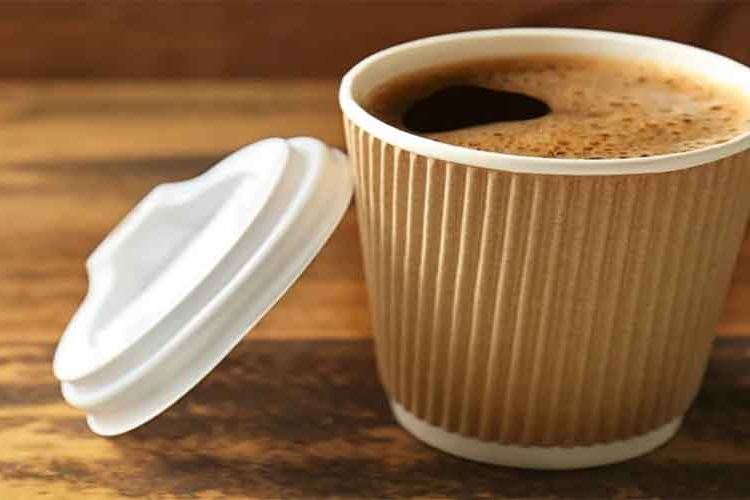
According to a recent analysis of multiple past studies, hot food stored or served in plastic containers can release thousands more microplastic particles compared to cold items. One study highlighted that when hot coffee is poured into disposable plastic cups, the number of microplastics released is dramatically higher than when the same beverage is served cold.
Scientists explain that heat weakens the structure of plastic, making it easier for tiny particles to break off and mix with food or liquids. These microplastics, often invisible to the naked eye, are then unknowingly ingested by consumers.
Health experts are increasingly concerned about the potential long-term effects of daily microplastic consumption. A growing body of research suggests that regular exposure may be linked to serious health risks, including hormonal disruptions, metabolic disorders such as diabetes, respiratory complications, and reproductive health problems. Some studies have also pointed to a possible association between microplastic exposure and an increased risk of certain cancers.
Researchers note that one of the primary sources of unintentional microplastic intake is single-use plastic items, particularly disposable cups, takeaway food containers, and plastic packaging commonly used for hot meals and beverages.
The scale of the issue is magnified by global consumption patterns. Estimates suggest that around 500 billion disposable plastic cups are used worldwide each year, many of them for hot drinks like tea and coffee. This widespread reliance on single-use plastics means billions of people may be regularly exposed to microplastics without realizing it.
Environmental scientists and public health experts are now calling for greater awareness and a shift toward safer alternatives, such as glass, stainless steel, ceramic, or paper-based containers designed for hot food and beverages. They also emphasize the need for stricter regulations and further research to better understand the long-term health implications of microplastic exposure.
As evidence continues to mount, experts urge consumers to be cautious about using plastic containers for hot food and drinks, noting that small everyday choices could play a role in reducing potential health risks.
Topics #city magazine #Environment #Food Safety #Health News #Microplastics #News #Pakistan #Plastic Pollution #Trending Pakistan