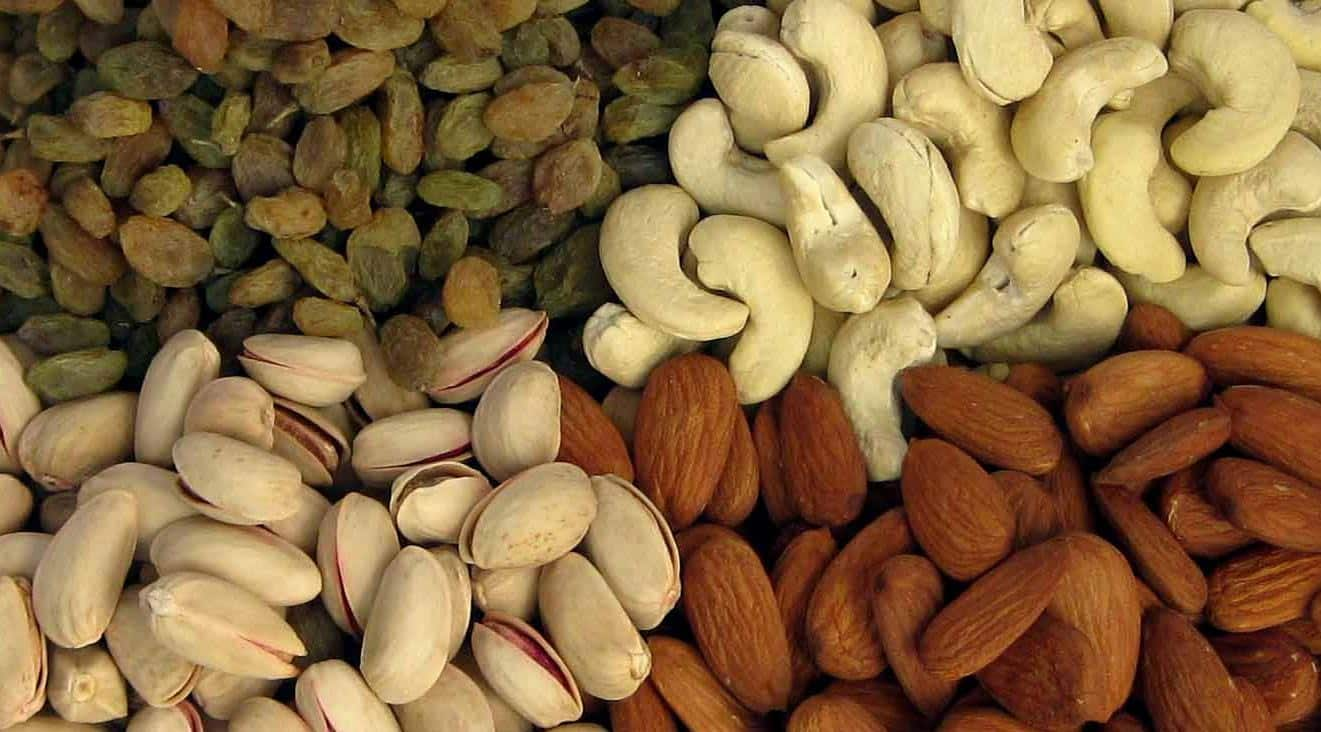
Dry fruit prices have increased significantly in Quetta as colder weather arrives, making popular winter snacks increasingly expensive for many households. The rising costs have placed additional pressure on family budgets, with residents concerned about the affordability of seasonal food items.
According to reports, dry fruit prices in the city have increased by approximately 30% to 40% overall this year. However, some varieties have reportedly experienced even sharper price increases, making them difficult for consumers to purchase in their usual quantities.
Dry fruits are widely consumed during winter in Balochistan, particularly in Quetta, where temperatures can drop considerably during the colder months. Almonds, walnuts, pistachios, cashews, raisins, and other varieties are popular choices for families seeking nutritious snacks during the season.
However, the latest price increases have changed shopping habits for many consumers. Families that traditionally purchase dry fruits in larger quantities may now need to reduce their purchases or choose less expensive alternatives to manage their household expenses.
The rising prices have also raised concerns among residents who consider dry fruits an important part of their winter food choices. With household budgets already under pressure from everyday expenses, the additional cost of seasonal items has made shopping more challenging.
The reported increase of 30% to 40% highlights the scale of the price changes affecting the local market. The steeper increases in some varieties may further limit consumer choices, particularly for families that prefer premium nuts and imported products.
Dry fruit prices can be influenced by several factors, including supply conditions, transportation costs, import expenses, currency fluctuations, and changes in demand. Seasonal demand often rises as temperatures fall, as consumers purchase more nuts and dried fruits for household use and gifting.
Quetta’s location and weather conditions also contribute to the importance of dry fruits in local winter consumption. Traders and consumers closely monitor market prices during this period, when demand for several varieties typically increases.
For shopkeepers, higher purchasing costs can create challenges in maintaining affordable retail prices while managing business expenses. For consumers, the same increases can mean buying smaller quantities, comparing prices across markets, or prioritizing essential household purchases.
The reported price surge has renewed attention on the affordability of everyday food products and seasonal items. While dry fruits are often valued for their nutritional content, rising prices can make regular consumption more difficult for lower- and middle-income households.
Consumers may benefit from comparing rates at different shops, checking product quality, and purchasing quantities that fit their budgets. However, the extent to which prices may change during the winter season will depend on market supply, demand, and other cost-related factors.
As winter progresses, residents of Quetta will be watching the dry fruit market closely to see whether prices stabilize or continue to rise. For now, the reported increases have made a familiar seasonal favourite less affordable for many families across the city.