Punjab’s first comprehensive provincial wildlife survey has produced an important snapshot of the province’s wildlife population, recording thousands of mammals, birds, reptiles and amphibians across different areas.
According to the initial findings, the survey recorded 5,128 Punjab urials, 1,276 chinkaras and 540 Indus River dolphins. The figures offer valuable insight into the current presence of several important and protected wildlife species in the province.
The survey also documented 160 blue bulls, 138 hog deer and 93 blackbucks. These numbers provide an early indication of the distribution and population of some of Punjab’s notable wild animals.
Bird populations represented a particularly significant part of the survey. Researchers recorded 92,636 grey francolins and 40,526 black francolins, making them among the most numerous bird species identified during the assessment.
The survey also counted 6,052 chukars, 1,821 houbara bustards, 345 vultures and 49 kalij pheasants. The findings highlight the diversity of bird species found across Punjab’s different habitats.
The presence of hundreds of vultures and dozens of kalij pheasants is also noteworthy because these species can be important indicators of environmental conditions and habitat health. Continued monitoring can help authorities understand changes in their populations over time.
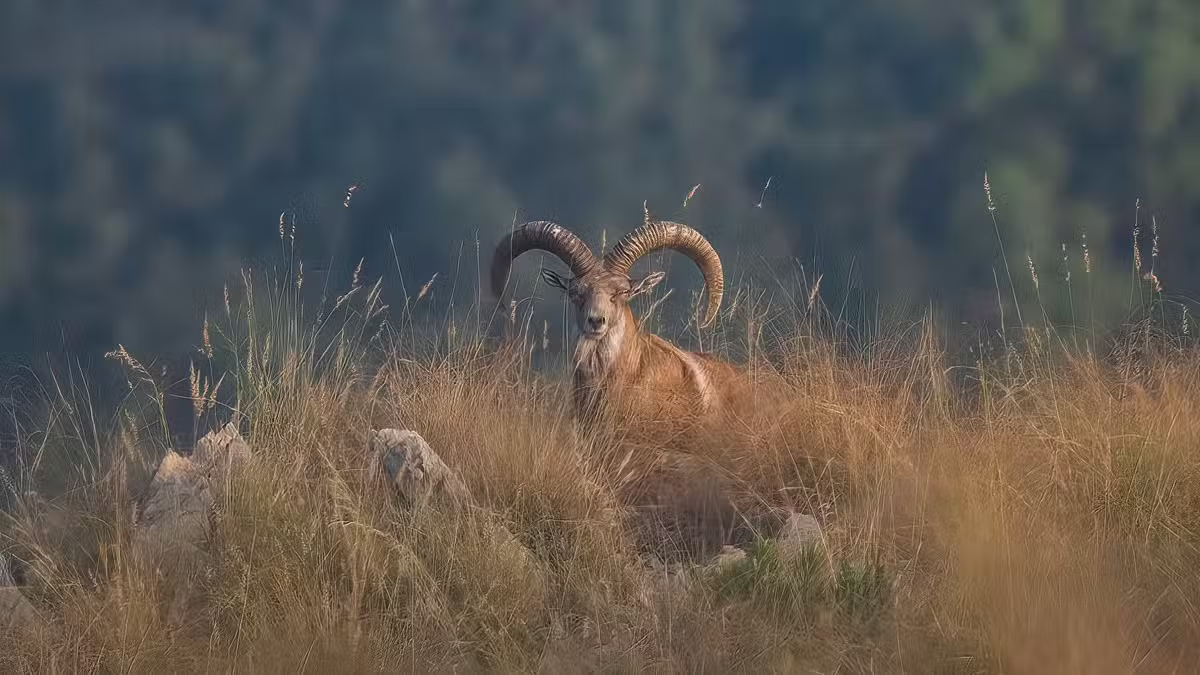
The Punjab urial is another important species recorded in the survey. With more than 5,000 animals counted, the findings could provide wildlife authorities with useful baseline data for future conservation and population management programs.
The recording of 540 Indus River dolphins is also significant. These freshwater mammals depend on healthy river ecosystems, making population monitoring an important part of efforts to protect aquatic biodiversity.
However, the figures currently available should be considered initial findings rather than the final official results. The complete survey report has not yet been formally released for public access.
Once the final findings are published, they could provide a more detailed picture of Punjab’s wildlife, including population distribution, habitats and the conservation challenges facing different species.
A comprehensive wildlife survey can help authorities make better decisions about protected areas, habitat management and measures to control threats to vulnerable species. Reliable population data is particularly important when planning long-term conservation strategies.
The survey also highlights the ecological diversity of Punjab, a province known not only for its agricultural landscape and major urban centers but also for rivers, wetlands, forests, grasslands and other natural habitats.
The initial numbers are therefore likely to attract attention from conservationists, researchers and wildlife enthusiasts. The final report could offer further information about the methodology used and the geographic distribution of the species recorded.
As Punjab continues to face environmental pressures, regularly monitoring wildlife populations can help identify declining species and areas requiring stronger protection. The latest survey could serve as an important baseline for future assessments.