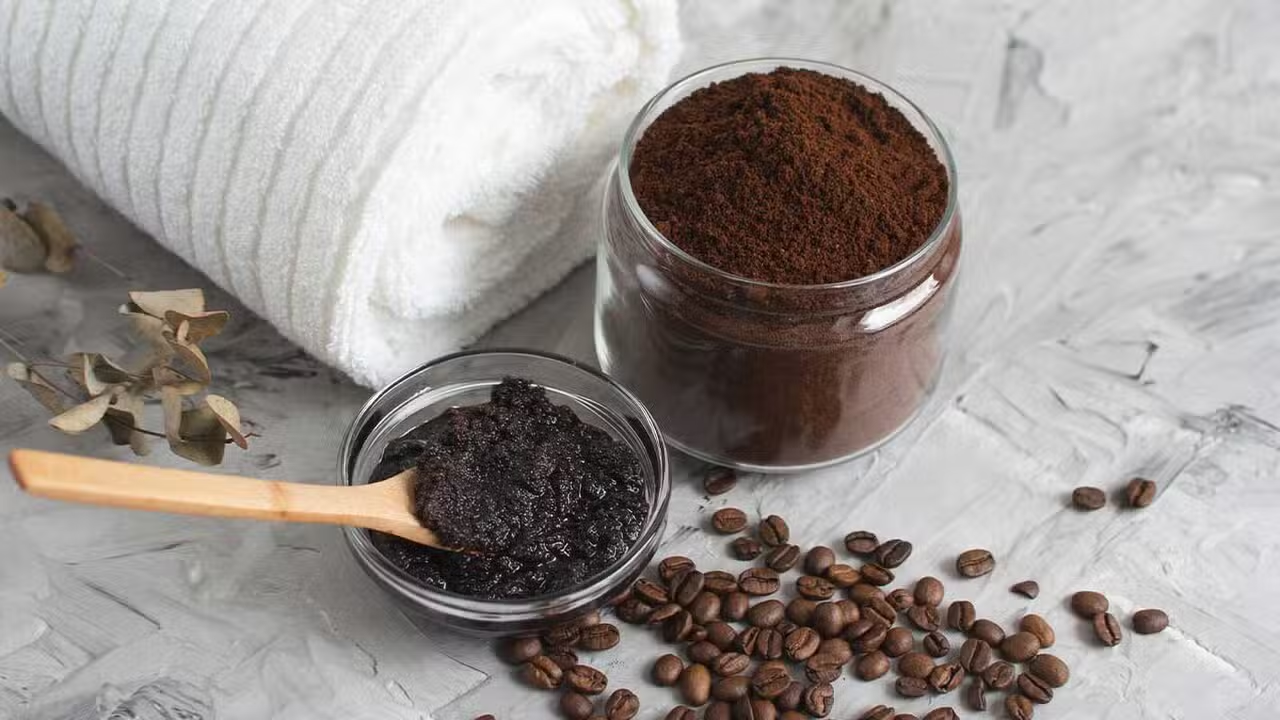
Used coffee grounds, often treated as household and commercial waste, could become a valuable source of renewable fuel, according to a new scientific study.
Researchers at Universitat Rovira i Virgili (URV) have developed a relatively simple method to recover oil from spent coffee grounds while keeping the remaining material available for other renewable fuels and bio-based products.
The findings, published in Biomass and Bioenergy, explore how coffee waste could be processed more efficiently as a raw material for future biorefineries.
Coffee is consumed on a massive scale around the world, creating significant amounts of waste after brewing. Researchers estimate that approximately 10 million metric tons of coffee beans are produced globally each year, with a substantial portion of the material ultimately discarded after use.
Spent coffee grounds are particularly interesting because they contain around 15% lipids. These fats and oils can potentially be recovered and processed into biodiesel, offering an alternative use for material that would otherwise enter the waste stream.
The researchers focused on finding a method that could extract the valuable oil without destroying the remaining coffee grounds. This approach could make the waste more useful because different components could potentially be converted into different renewable products.
Rather than treating spent coffee grounds as a single-use waste material, the research supports the idea of using them as a multi-purpose resource within a biorefinery system.
A biorefinery works in a similar concept to a petroleum refinery, but instead of relying primarily on fossil resources, it uses biomass to produce fuels, chemicals and other useful materials.
Recovering oil from coffee grounds could therefore be part of a broader strategy to improve the value obtained from agricultural and food-related waste.
The potential application is also significant because biodiesel can be produced from various types of oils and fats. If coffee waste can be processed economically and at scale, it could provide an additional feedstock for renewable fuel production.
The remaining solid material could also retain value after oil extraction. Researchers are investigating ways to use such residues for other renewable fuels and bio-based products, potentially allowing more of the original waste material to be utilized.
This type of approach could help reduce waste while supporting the development of circular economy systems. Instead of disposing of used coffee grounds, businesses and consumers could eventually contribute to a supply chain in which coffee waste becomes a source of useful raw materials.
However, turning laboratory research into a commercially viable process requires further work. Factors such as collection, transportation, processing costs and the availability of spent coffee grounds would need to be considered before large-scale production becomes practical.
The study nevertheless demonstrates the potential hidden inside everyday food waste. As researchers continue searching for alternatives to fossil fuels, materials such as used coffee grounds could become part of a wider portfolio of renewable resources.
The findings from Universitat Rovira i Virgili add to growing research into converting waste biomass into valuable products. Coffee grounds, once considered little more than discarded residue, may have a future role in producing renewable fuels and bio-based materials.