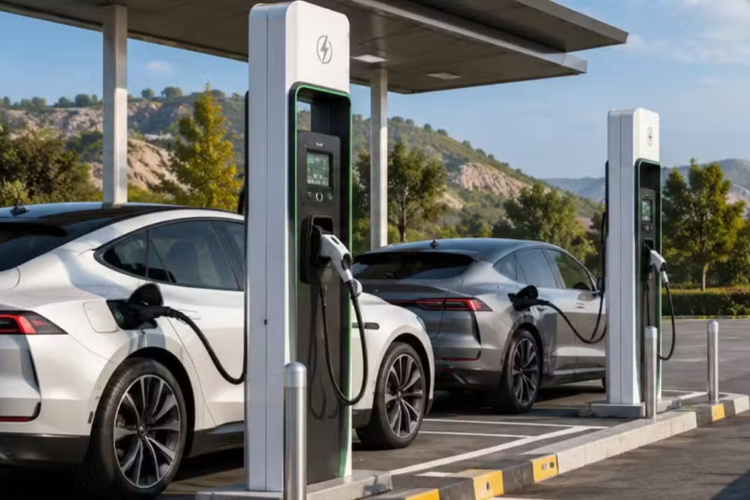
The federal government has decided to put the proposed Auto Policy 2026–31 on hold following strong reservations from Pakistan’s local automobile industry. The policy, which was designed to encourage the adoption of electric vehicles (EVs) and hybrid cars, will now be revised before being considered for implementation.
The proposed policy was developed after consultations with key stakeholders and aimed to accelerate Pakistan’s transition toward cleaner transportation. One of its primary objectives was to reduce the country’s dependence on imported petroleum products by promoting fuel-efficient and environmentally friendly vehicles.
However, local automakers raised concerns over several aspects of the proposed framework, arguing that certain provisions could negatively affect domestic manufacturers and the broader automotive industry. Following these objections, the government decided to withdraw the proposal and prepare a revised version that better reflects industry feedback.
The decision highlights the government’s effort to strike a balance between advancing sustainable mobility and addressing the concerns of local manufacturers. Industry representatives have emphasized the need for policies that support investment, protect local production, and ensure a level playing field as Pakistan moves toward vehicle electrification.
Pakistan has been exploring policies to expand the use of electric and hybrid vehicles as part of its broader strategy to lower fuel imports, reduce carbon emissions, and improve energy efficiency. The transport sector remains one of the country’s largest consumers of imported petroleum products, making the shift to alternative-energy vehicles an important long-term policy goal.
Supporters of the original proposal argued that greater incentives for EVs and hybrids could encourage innovation, reduce fuel costs for consumers, and contribute to environmental sustainability. At the same time, industry stakeholders stressed that any transition should be gradual and aligned with the capabilities of local manufacturers and the existing automotive supply chain.
The revised Auto Policy 2026–31 is expected to incorporate further consultations with automakers, industry experts, and other stakeholders before a final version is presented. Policymakers will likely focus on creating a framework that promotes investment in new technologies while supporting the continued growth of Pakistan’s domestic automotive sector.
Consumers and businesses are closely watching the policy’s progress, as it will shape the future of Pakistan’s automotive market, including incentives for electric vehicles, hybrid technology, local manufacturing, and investment in charging infrastructure.
While the original proposal has been shelved for now, the government’s broader objective of promoting cleaner transportation and reducing reliance on imported fuel remains unchanged. The revised policy is expected to outline a more balanced roadmap for achieving these goals while addressing the concerns raised by the local automobile industry.
Topics #Auto Policy 2026-31 #Automobile Industry #Automotive News #city magazine #clean energy #Electric Vehicles #EVs #Hybrid Cars #Local Automakers #News #Pakistan #Pakistan news #Transport #Trending Pakistan