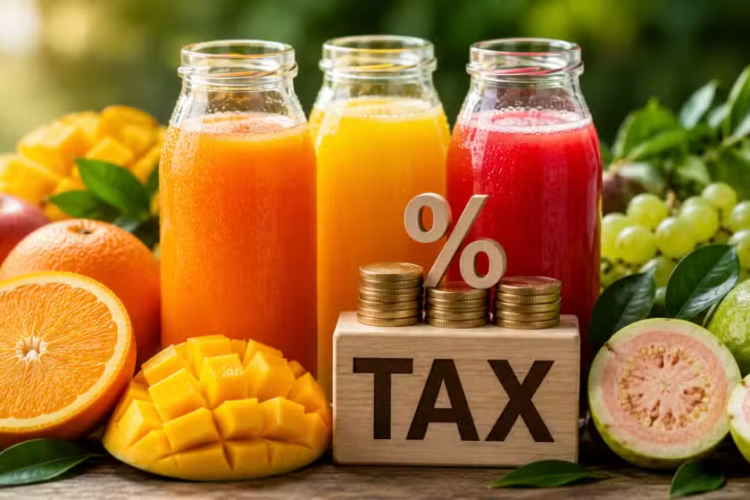
Imported branded fruit juices and non-alcoholic beverages in Pakistan may soon see price increases following a major revision in customs valuation rules by Pakistan Customs. The update comes after more than a decade of unchanged valuation benchmarks.
The Pakistan Customs has revised customs values for imported branded fruit juices and non-alcoholic drinks for the first time in over 13 years. The new framework replaces Valuation Ruling No. 546/2013, which had been in place since April 2013.
The updated valuation was issued by the Directorate General of Customs Valuation in Karachi and is intended to align import assessments with current international and domestic market conditions. Officials say the revision reflects changes in global pricing trends, currency movements, and import cost structures over the past decade.
Industry stakeholders believe the adjustment may directly impact retail prices of imported beverages across supermarkets, hotels, restaurants, and retail outlets in Pakistan. Since customs duties are often calculated based on declared import values, higher valuation benchmarks can increase overall landed costs for importers.
Market analysts suggest that consumers could experience gradual price adjustments as importers pass on increased costs to end users. This is particularly relevant for premium and branded beverages, which already carry higher price points due to taxes, freight charges, and exchange rate fluctuations.
The beverage import sector in Pakistan includes a wide range of products such as fruit juices, energy drinks, flavored water, and other non-alcoholic refreshments. Many of these products are popular in urban markets, especially among middle- and upper-income consumers.
The revision also reflects a broader effort by customs authorities to modernize valuation systems and reduce discrepancies between declared import values and actual market prices. Officials argue that updated valuations help improve tax collection efficiency and ensure fair competition in the domestic market.
However, importers may face short-term challenges as they adjust pricing structures and inventory costs under the new system. Some businesses could also explore local sourcing alternatives or negotiate revised supply agreements with international suppliers.
Economists note that such policy adjustments are common in emerging markets seeking to improve revenue collection while maintaining regulatory consistency in import pricing frameworks.
Topics #Beverages #Business News #city magazine #Import Duties #Imported Goods #Juice Prices #News #Non-Alcoholic Drinks #Pakistan #Pakistan Customs #Pakistan Economy #Retail Prices #Trade Policy #Trending Pakistan