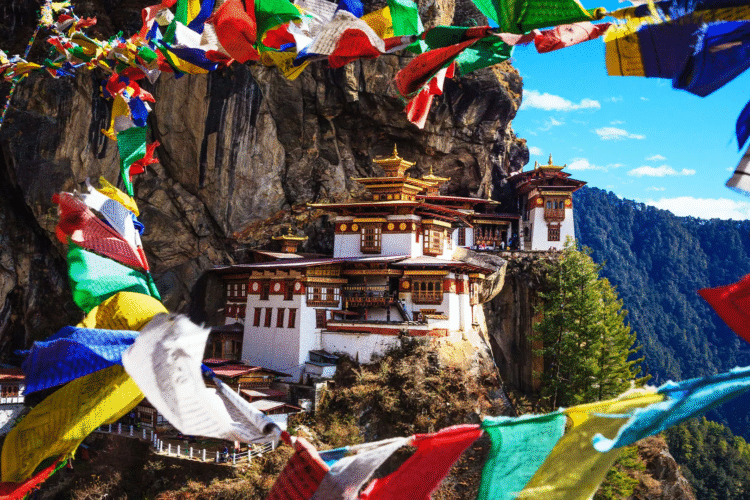
International travel often comes with excitement, but the visa process can be one of the most demanding aspects of planning a trip. From paperwork to rising fees, travelers face increasing costs as countries regularly revise their visa structures. However, when it comes to the world’s most expensive visa, the top spot does not belong to global giants like the United States or the United Kingdom. Instead, it goes to a small Himalayan nation known for its pristine landscapes and unique tourism philosophy — Bhutan.
Bhutan has gained attention for imposing the world’s costliest travel charge, but what makes its system stand out is not a traditional one-time visa fee. Instead, the country follows a distinctive model known as the Sustainable Development Fee (SDF), which requires visitors to pay $100 per person per night during their stay.
This nightly fee is designed to ensure responsible tourism and minimize the environmental impact on Bhutan’s delicate ecosystem. By prioritizing “high value, low impact” tourism, Bhutan aims to welcome fewer tourists while preserving its cultural heritage, natural beauty, and ecological balance. The policy reflects Bhutan’s long-standing emphasis on well-being, sustainability, and its famous concept of Gross National Happiness.
The SDF applies to most international travelers, making a trip to Bhutan significantly more expensive compared to other destinations. For example, staying a week could cost a visitor an additional $700 solely in sustainability charges — on top of flights, accommodations, transport, and other expenses. This places Bhutan in a category of its own when evaluating the true cost of entry.
However, not all travelers pay the same amount. According to reports, Bhutan offers generous concessions for Indian citizens. Indians do not require a visa to enter Bhutan; an official identity card is sufficient. Instead of the $100 nightly fee, Indian nationals pay a reduced SDF of 1,200 Indian Rupees per person per night, making travel more affordable for visitors from its closest neighbor.
Bhutan’s distinctive visa and tourism policy continues to spark global interest. While some travelers view the high cost as a barrier, others see it as an opportunity to experience an unspoiled destination committed to sustainability. The country’s approach demonstrates a rare model in global tourism — one that places cultural and environmental protection above mass travel.